Recognizing Court Reporting: An Overview of Its Duty in the Legal Process
Court reporting is an important component of the lawful system. It ensures that every talked word throughout depositions and tests is precisely transcribed. This transcription supplies a trustworthy record for future reference. Stenotype reporter have specialized skills and must navigate various modern technologies. durham court reporting. As the lawful landscape develops, so as well does the role of these professionals. Comprehending their influence elevates vital concerns about the future of lawful documents and accountability
The Value of Accurate Transcription in Lawful Process
Accurate transcription plays an essential role in legal procedures, functioning as the structure for justice and liability. Court press reporters, charged with capturing spoken dialogue during trials and depositions, assure that every word is documented with precision. This transcription becomes a crucial record, permitting courts, lawyers, and courts to assess the procedures properly. Errors or omissions in transcription can bring about misunderstandings, misconceptions, and possibly unfair results.
These transcripts offer as official documents that can be referenced in future legal actions, appeals, or academic analyses. The integrity of the judicial procedure depends heavily on the dependability of these papers. The capacity to offer a clear, verbatim account of arguments and testimonies is crucial in promoting the policy of regulation. As a result, the importance of exact transcription can not be overstated; it is essential for guaranteeing reasonable tests and preserving public depend on in the lawful system.
The Skills and Certifications of Court Reporters
While the duty of a court reporter is essential in the lawful system, it requires an one-of-a-kind collection of abilities and credentials to assure effective performance. Effectiveness in shorthand or voice writing is required, allowing press reporters to capture talked language precisely and successfully. Furthermore, a strong grasp of lawful terms and procedures is important, as court press reporters have to comprehend complex discussions that occur throughout hearings and tests.
Moreover, focus to detail and exceptional listening abilities are needed to assure exact records. Several court press reporters possess accreditation from certified programs, which usually consist of strenuous training in transcription methods and lawful ethics. Strong interpersonal skills also play a significant role, as reporters frequently interact with witnesses, judges, and attorneys. Eventually, the combination of technological effectiveness, legal understanding, and social capacities gears up court press reporters to meet their obligations properly within the judicial system
Different Kinds of Court Reporting Services
Court reporting solutions encompass a variety of specific functions customized to meet the requirements of the legal system. One prominent type is deposition reporting, where stenotype reporter record witness testaments beyond court setups, frequently for usage in trials. One more solution is real-time reporting, which provides instant transcription during procedures, making it possible for lawyers to access online text feeds. Additionally, some stenotype reporter provide transcription of audio and video clip recordings, making certain precise documents of occasions.
Closed captioning services are likewise provided, making lawful process easily accessible to people with hearing impairments. Many court reporting firms specialize in serving particular legal fields, such as household legislation, criminal law, or company regulation, thus supplying customized competence. Some reporters might give video clip deposition solutions, which enhance the paperwork process with aesthetic context. Each kind of service plays a vital duty in ensuring the precision and honesty of legal documents.
The Innovation Behind Modern Court Reporting
Modern court reporting counts greatly on sophisticated technology to improve precision and efficiency. Stenography makers, digital recording methods, and real-time transcription software application are important components of this area. These tools not only promote the transcription process yet also ensure that lawful process are recorded with precision.
Stenography Machines Explained
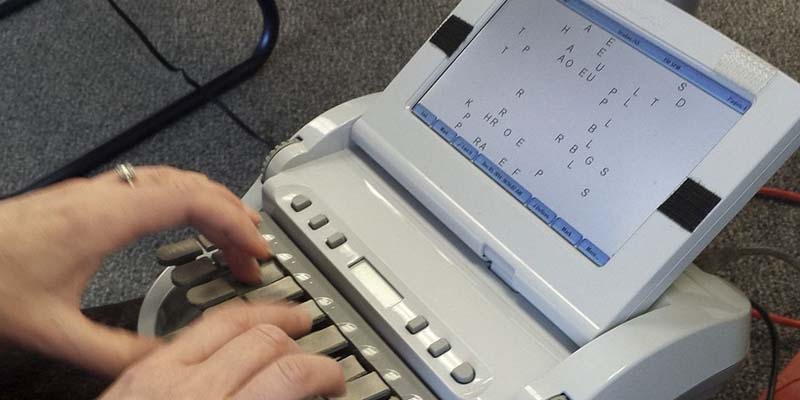
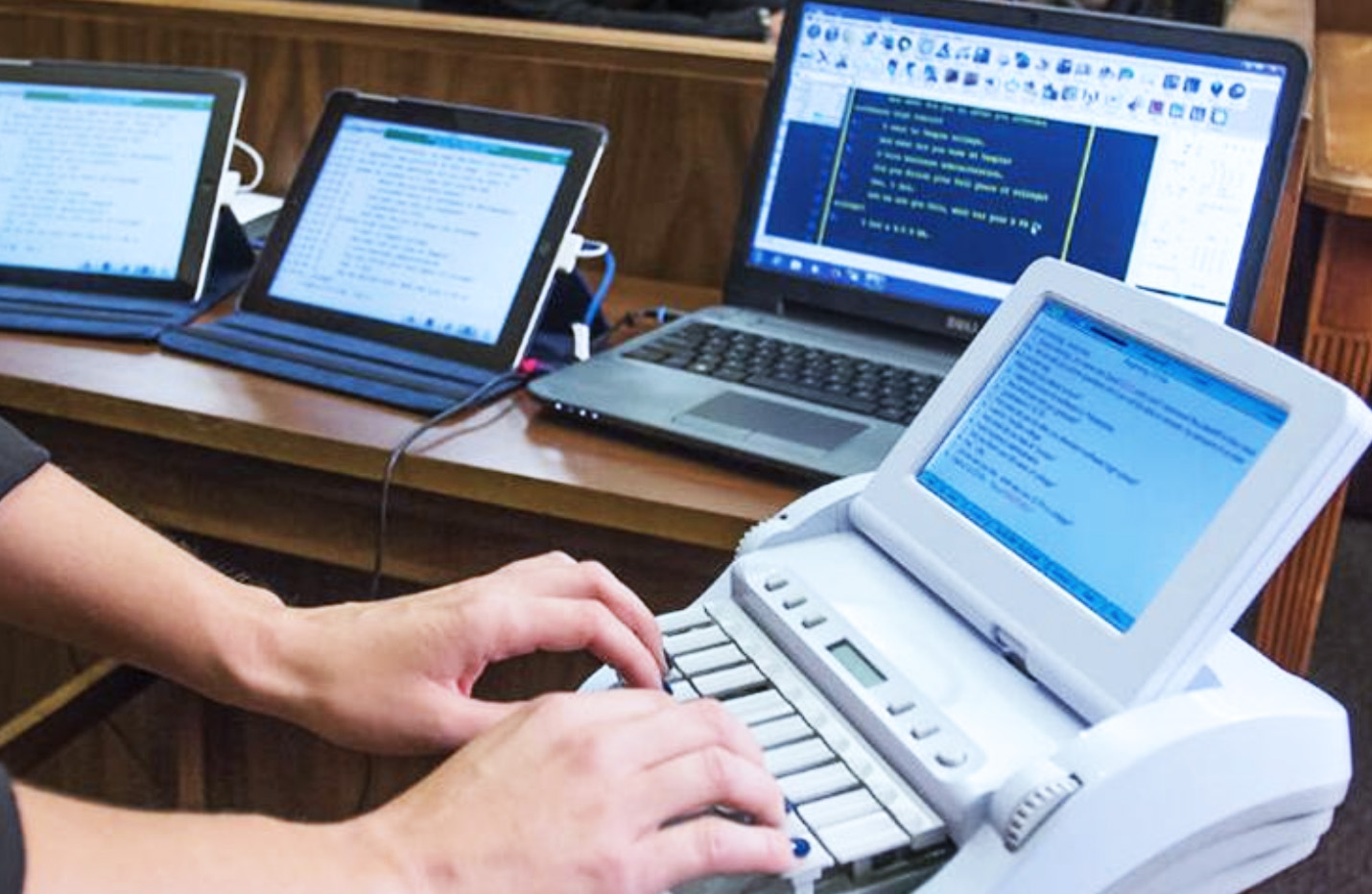
Stenography equipments act as the backbone of modern court reporting, changing spoken words into created message with remarkable effectiveness. These specialized tools utilize an one-of-a-kind keyboard layout that enables stenotype reporter to type syllables and words phonetically, allowing them to catch discussion at broadband. Using shorthand signs means that reporters can record conversations in genuine time, guaranteeing accurate documents of legal procedures. Stenography machines are outfitted with advanced modern technology, including software application that can translate stenographic notes into readable text. This assimilation of software and hardware substantially improves the speed and accuracy of court reporting, making it an essential device in the lawful area. Because of this, stenography remains an important skill for specialists in the court room.
Digital Recording Techniques
Developments in innovation have expanded the devices offered for court reporting beyond conventional stenography equipments. Digital videotaping methods have actually emerged as a dependable alternative, recording audio and video clip of legal proceedings with high fidelity. These systems use microphones and recording gadgets purposefully put to assure clarity and lessen history sound, offering a comprehensive record of testimonies and discussions. The videotaped web content can be repeated for precision during transcription, enabling stenotype reporter to verify information successfully. In addition, digital recordings can be kept safely for future reference, improving access and preserving the integrity of the legal process. As courts accept these modern-day technologies, digital recording techniques play a significantly crucial function in keeping exact and efficient paperwork.
Real-Time Transcription Software Application
As court rooms progressively take on modern technology to improve the legal procedure, real-time transcription software has actually ended up being a crucial tool for stenotype reporter. This innovative technology permits stenotype reporter to transcribe spoken discussion quickly, offering prompt accessibility to exact records during process. By converting talked words right into message as they are talked, real-time transcription software application promotes reliable communication in between attorneys, judges, and other court participants. The software usually integrates with court sound systems, ensuring that every word is caught with accuracy. In addition, it can produce transcripts for review and distribution, streamlining the documents process. Therefore, real-time transcription software program not just enhances the efficiency of court reporting but also boosts the total accessibility of lawful proceedings.
The Duty of Court Reporters in Keeping Court Stability
Court reporters contribute to the transparency of the judicial procedure. By providing detailed transcripts, they make it possible for the general public and media to accessibility court procedures, fostering accountability. Their existence in the court room likewise helps keep etiquette, as their actions underscore the severity of the lawful procedure.
Along with technological skills, stenotype reporter have to show professionalism and reliability and impartiality, vital for protecting the stability of the judicial system. Eventually, their attentive initiatives sustain fair test legal rights and strengthen public self-confidence in the legal framework.
The Future of Court Reporting in an Evolving Legal Landscape
As the legal landscape evolves, court reporting encounters considerable changes driven by technical innovations and a growing shift towards remote solutions. These advancements are reshaping just how court press reporters operate, affecting both the speed and precision of legal documents. The future of this career will likely copyright on its adaptability to these arising patterns.
Technological Improvements Influencing Reporting
Many technical advancements are reshaping the landscape of court reporting, introducing a new age of efficiency and precision. Digital videotaping systems have become commonplace, enabling specific audio capture throughout process. These Get More Info systems frequently incorporate with transcription software program, promoting faster turnaround times for transcripts. Additionally, expert system is playing a substantial function in improving the transcription process, with speech acknowledgment modern technology assisting press reporters in creating more accurate paperwork. Cloud-based storage space services improve availability, making it possible for legal experts to fetch and share records quickly. As these technologies proceed to advance, they promise to further transform the court reporting occupation, improving the general legal process while preserving high criteria of professionalism and trust and stability.
Change Towards Remote Services
The lawful landscape is significantly embracing remote solutions, improving how court reporting is carried out. This change has actually been sped up by technical advancements and the requirement for flexibility throughout current worldwide occasions. Court reporters now use video clip conferencing systems to assist in hearings and depositions, enabling better access and efficiency. Remote services make it possible for involvement from different places, lowering traveling expenses and logistical challenges. Additionally, electronic transcription devices enhance precision and enhance the documents process. As the lawful sector adapts, court reporters are called for to establish brand-new abilities and familiarize themselves with emerging modern technologies. This development offers both opportunities and obstacles, pressing the profession towards a much more incorporated, technology-driven future while keeping its core dedication to delivering accurate and dependable lawful documents.
Often Asked Concerns
Just How Much Do Court Reporters Normally Gain Annually?
Court reporters usually gain between $50,000 and $100,000 yearly, depending on experience, place, and the demand for services. Specialized skills or certifications can additionally increase their gaining potential in numerous lawful settings.
What Is the Average Duration of Court Reporting Training Programs?
Court reporting training programs usually last in between 18 months to 2 years. This period varies based on the institution and the particular curriculum, including both concept and useful skills crucial for striving court press reporters.
Can Court Reporters Work From Another Location for Legal Procedures?
Yes, court reporters can work remotely for legal proceedings, making use of technology to transcribe sound and video feeds. This adaptability permits them to give accurate paperwork while keeping the stability of the legal procedure.
What Is the Distinction In Between a Stenotype Reporter and a Clerk?
A stenotype reporter concentrates on transcribing legal proceedings, while a stenographer focuses on shorthand composing for various contexts, consisting of conferences and conferences. Both roles entail recording spoken words however differ in their specific applications and atmospheres.
Are Court Reporters Required to Have Licenses or accreditations?
Yes, court press reporters are typically needed to get accreditations or licenses. These credentials guarantee they have the needed skills and expertise to precisely record lawful procedures, keeping the stability of the judicial procedure.
Many court press reporters have qualification from accredited programs, which commonly include strenuous training in transcription techniques and legal principles. One prominent kind is deposition reporting, where court reporters transcribe witness statements outside of court settings, commonly for use in trials. As click here for more court rooms increasingly embrace technology to improve the lawful procedure, real-time transcription software application has come to be an important tool for court press reporters. Yes, court press reporters can work from another location for lawful proceedings, using modern technology to record audio and video clip feeds. A court press reporter specializes in transcribing lawful proceedings, while a stenographer concentrates on shorthand composing for various contexts, consisting of conferences and seminars.